
15 Colourful Rainbow Facts
These rainbow facts are beautiful! Find out 15 facts all about this unique and colourful part of nature, and the science behind them!
Have you ever looked to the sky, seen a rainbow and wondered where they come from? Well, wonder no more, because we’ve put together 15 magical rainbow facts just for you! Discover the cultural history, the myths and legends and the science behind one of natures most beautiful creations! You can even find out how to make your own rainbows at home!
And if you’re hungry for more nature knowledge, how about some incredible platypus facts? Or perhaps you’d rather have your botaty bone scratched with some bizarre plant facts? And for all your seadogs, we’ve also got these amazing ocean facts!
1. Rainbows Are An Optical Illusion
Rainbows aren’t real! At least, they’re not a physical thing. Rainbows occur when light is refracted (bent) and broken up by a prism like water – in this case, raindrops. You need very specific conditions for a rainbow – sun, rain and a viewing angle of 42 degrees opposite the sun!
2. Isaac Newton Made Some Important Rainbow Discoveries
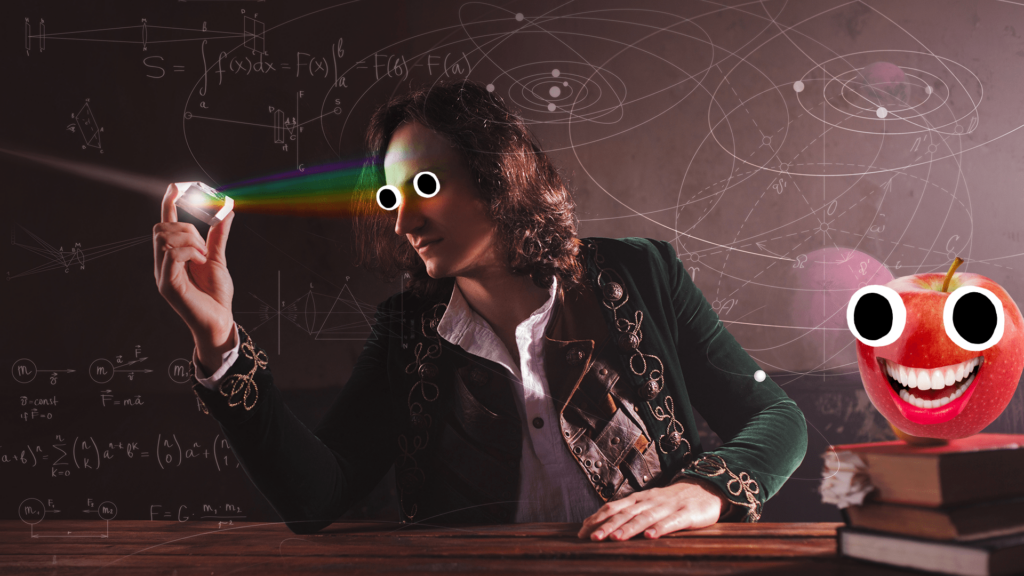
Famous scientist and historical oddball Isaac Newton is responsible for much of the early research into rainbows. In the 17th century, it was Newton who discovered that sunlight isn’t actually one solid white colour, but a mixture of colours (the colours you see when they are refracted rain). Newton broke up the colours of light by shining them through a crystal prism and found that there were actually about 7 colours in light! These are the seven famous colours of the rainbow – red, orange, yellow, green, blue, indigo, and violet!
3. There is A Goddess of Rainbows
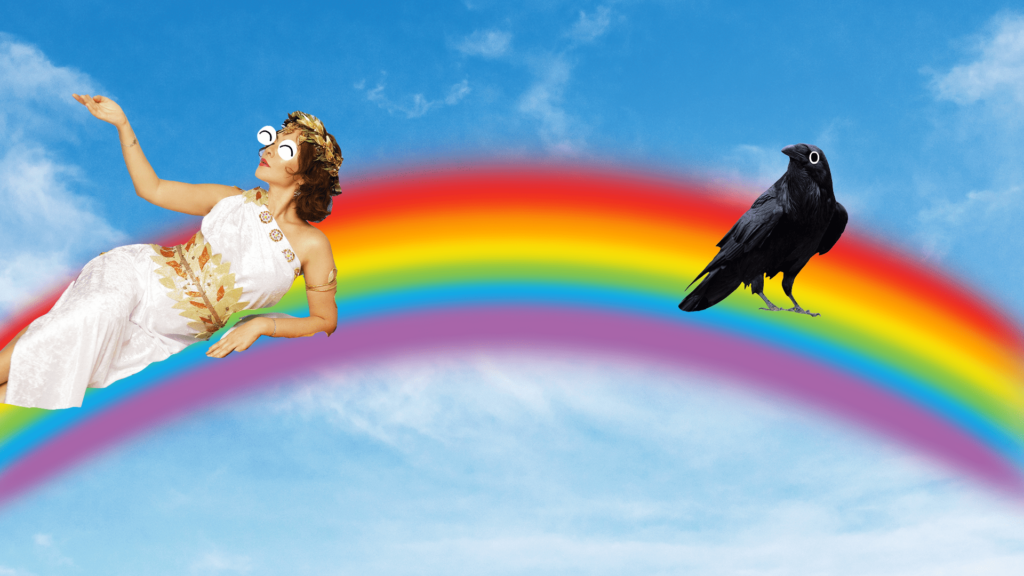
Rainbows have been around for as long as humans, and longer, so its no wonder the ancient Greeks and Romans had a goddess of rainbows – Iris. Iris was a messenger goddess, and they ancient Greeks believed that she travelled between heaven and earth on a rainbow. The ancient Norse people believed a similar thing – that rainbows were the path between the world of the gods and humans. They called it ‘Bifrost’.
4. They Have a Long Cultural History
It’s not just the ancient Greeks and Norsemen who had legends about rainbows – they appear in cultures all over the world. In Albania, the rainbow is thought to be the belt of the goddess Prende. In Aboriginal culture, its a snake deity, whilst in the Bible, a rainbow appears after the flood to show Noah he would never send a flood again. Rainbows are often associated with mythical animals like unicorns, leprechauns and fairies because of their mysterious nature.
5. They’re Actually Circles
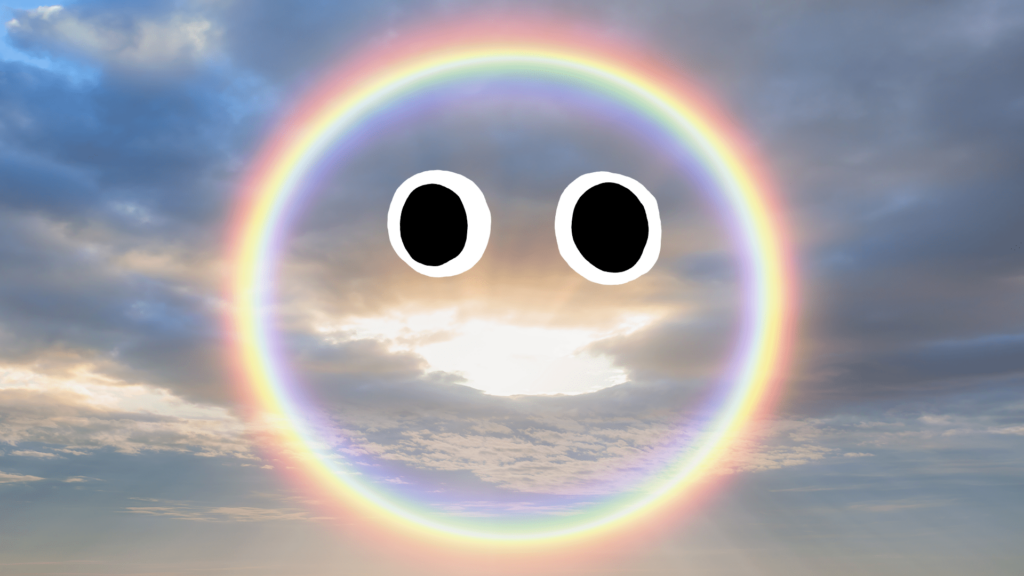
A rainbow isn’t a bow at all! It’s a circle! That’s because, from our position on the ground, it’s impossible to see the full circle effect, only the arch. But trust us – it’s a circle! Next time you’re in a plane, see if you can spot one!
6. Rainbows Are Symbolic
As well as appearing in many stories and myths, the rainbow also symbolises many things in many different places. It’s universally a sign for peace, as they often appear after a storm. They are also often seen as good luck, and a symbol of new beginnings.
7. Rainbows Appear Less In Winter
You’re much more likely to see a rainbow in summer than winter. This is because raindrops freeze into ice crystals, which don’t refract light in the same way. You can see a sundog though, which is another light phenomenon caused by the sunlight going through ice crystals. Sundogs look more like a bright halo around the sun!
8. Earth Is The Only Planet Where You Can See Rainbows
There’s only one place in the whole galaxy you can see a rainbow – and luckily, you live here! Planet Earth is the only place where rainbows are possible, as our atmosphere has the perfect conditions to create them.
9. You Can Get Night Rainbows
Yes, it’s true, its possible to see a rainbow at night! They’ve even got a special name, they’re called moonbows! A moonbow occurs when there’s enough moisture in the air and light from the moon. The two combined will create a moonbow! It’s not as bright as a rainbow, but its just as pretty!
10. There Are Lots More Than Seven Colours In The Rainbow
You’ve probably heard of the seven colours of the rainbow – red, orange, yellow, green, blue, indigo and violet. Isaac Newton was one of the first people to say the rainbow had seven colours – probably because he was superstitious and seven is a lucky number. But did you know there are actually thousands of colours in a rainbow? Rainbows are gradient, which means each colour fades into the next, creating multiple other colours in between! How many can you spot?
11. Yes, Double Rainbows Are A Thing
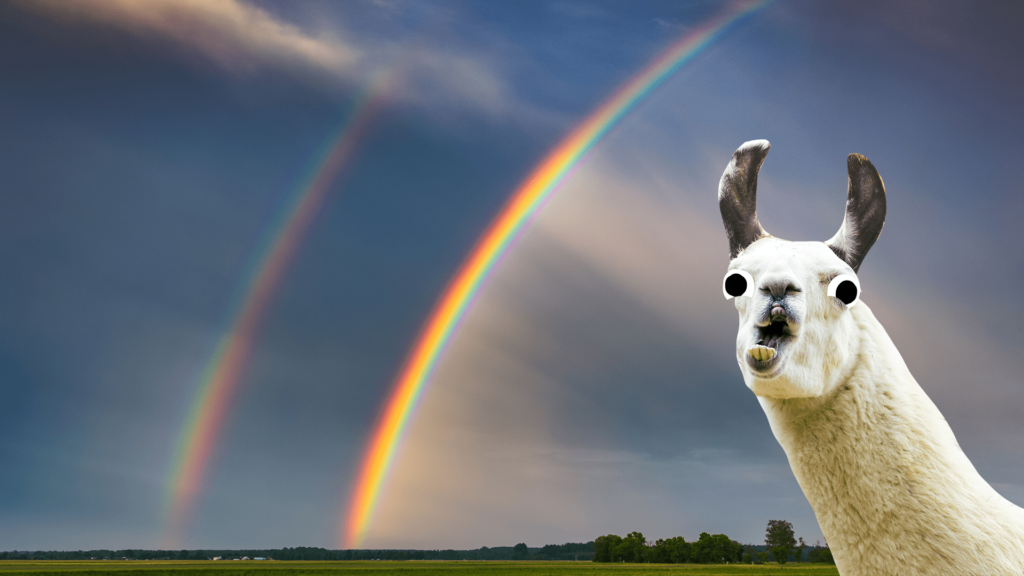
Double rainbows are real! And they’re actually quite common. In fact, if you look very closely at a rainbow, you can probably see a fainter rainbow next to it. Double rainbows are created when light is refracted twice. Not only is the second rainbow fainter and higher up – its colours are reversed!
12. There Isn’t A Pot of Gold At The End
We hate to break it to you, but no matter how hard you search, you won’t find a pot of gold at the end of the rainbow. This legend comes from Irish folklore, where it was said that leprechauns, a type of mischievous fairy, would leave their gold in pots at rainbow ends. There’s just one problem- rainbows don’t have ends! Leprechauns are notoriously untrustworthy creatures, and so a pot of gold at the end of the rainbow has come to symbolise something that doesn’t exist!
13. The Rainbow Is A Symbol of the LGBTQ+ Community
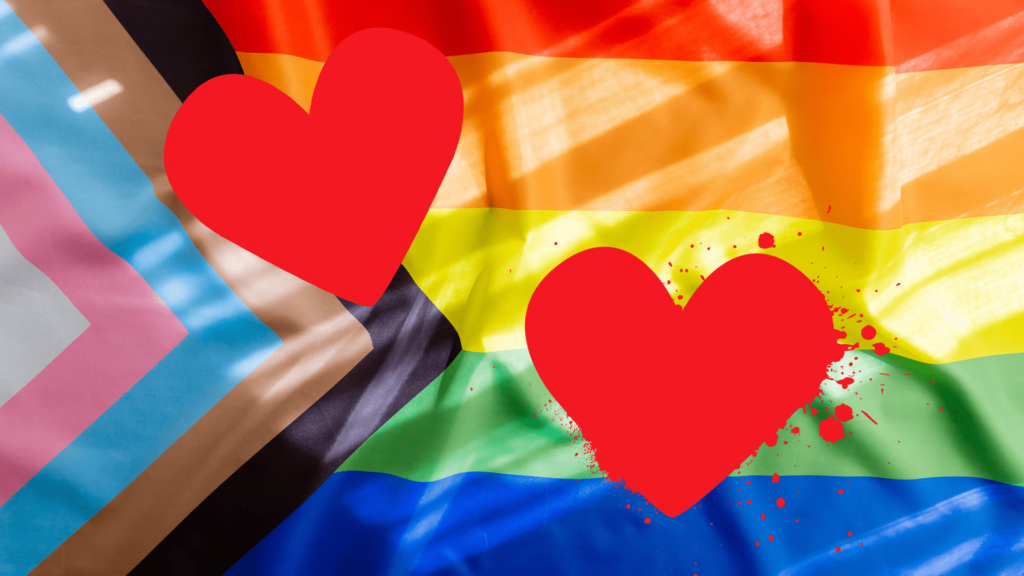
If you’ve ever seen a pride flag, you’ll be familiar with their rainbow pattern – although it only has six colours, not seven. The pride flag was adopted by the LGBTQ+ community because it symbolises many colours coming together in harmony and shows the beauty of difference!
14. You Can Create Your Own Rainbows

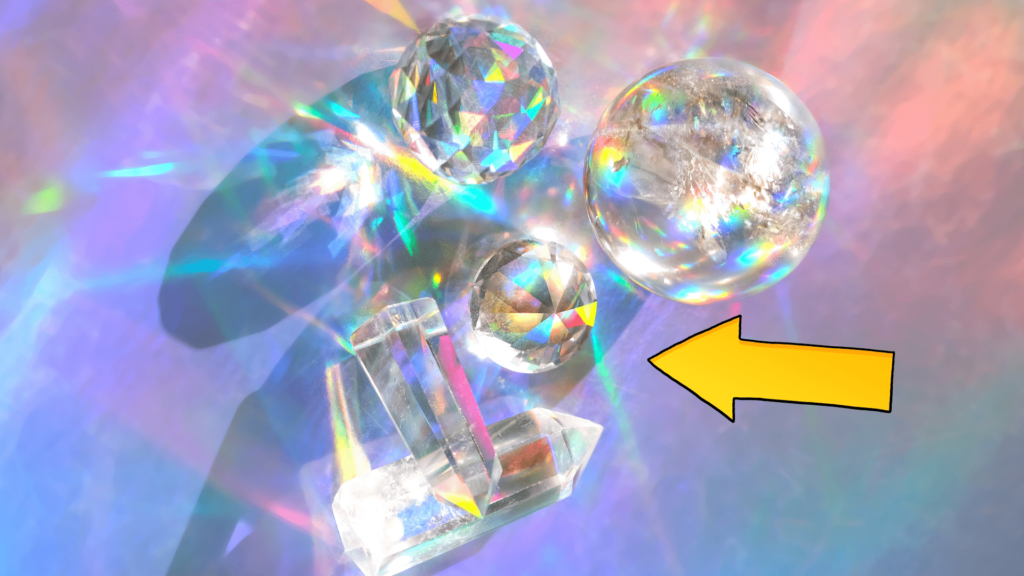
If you have a crystal at home, you can create a mini rainbow by holding it up to the light! You’ll see a rainbow reflection on the surface! Or why not get extra creative and make a rainbow cake with lots of different coloured layers?
15. No Two Rainbows Are Alike
The best thing about rainbows is how unique and fleeting they are! No rainbow is the same as the next, and they never stay around for long! So next time you see one, try and enjoy it as much as possible!
.