
15 Moth Facts That’ll Give You Butterflies!
Flutter over here and find out why moths are some of the most misunderstood insects out there! We love moths and so should you!
Everyone loves butterflies… but believe or not, people often aren’t so keen on moths! This is hugely unfair – as moths are just as amazing, beautiful and important for the environment as butterflies are!
How could we forget the gigantic Atlas Moth? The incredible Tiger moth? The fluttering hummingbird moth? We’re sorry, moths! Please forgive us foolish humans!
Read on to find out exactly why moths are such cool creatures! If you’re looking for more amazing animal facts, check out this list of rhino facts, these panda facts, or even these majestic swan facts! Shall we get back to moths then? Let’s go!
1. There are a LOT of moths
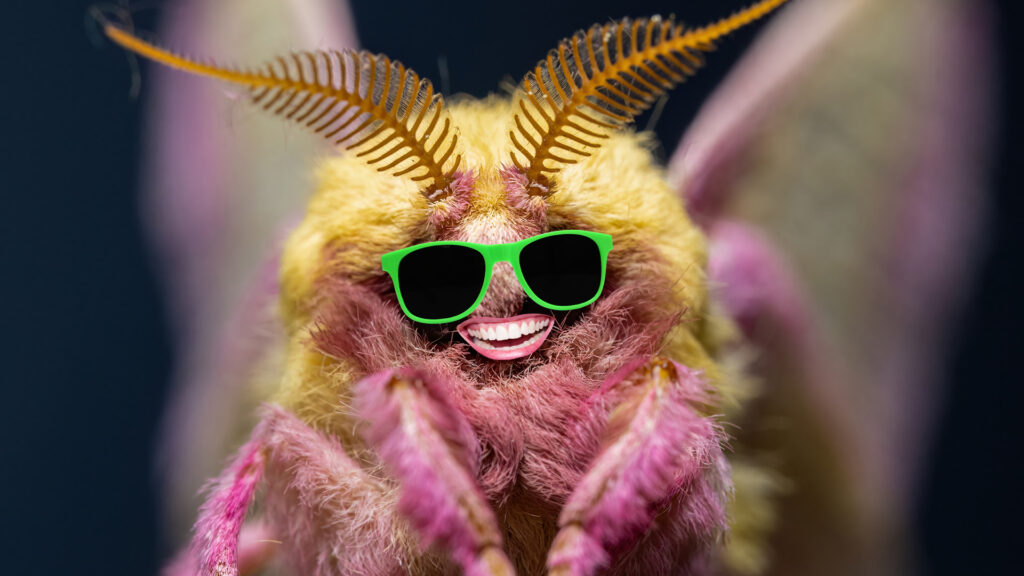
There are 160,000 species of moths, almost ten times more than the 17,500 species of butterflies! A huge number of these live in tropical areas and forests, but moths have taken over almost every continent on Earth! There are moths right up to the border of the Arctic circle, and the only place there aren’t any in in Antarctica! One of the reasons for their success is they are so old… more on that next!
2. They’re ancient animals
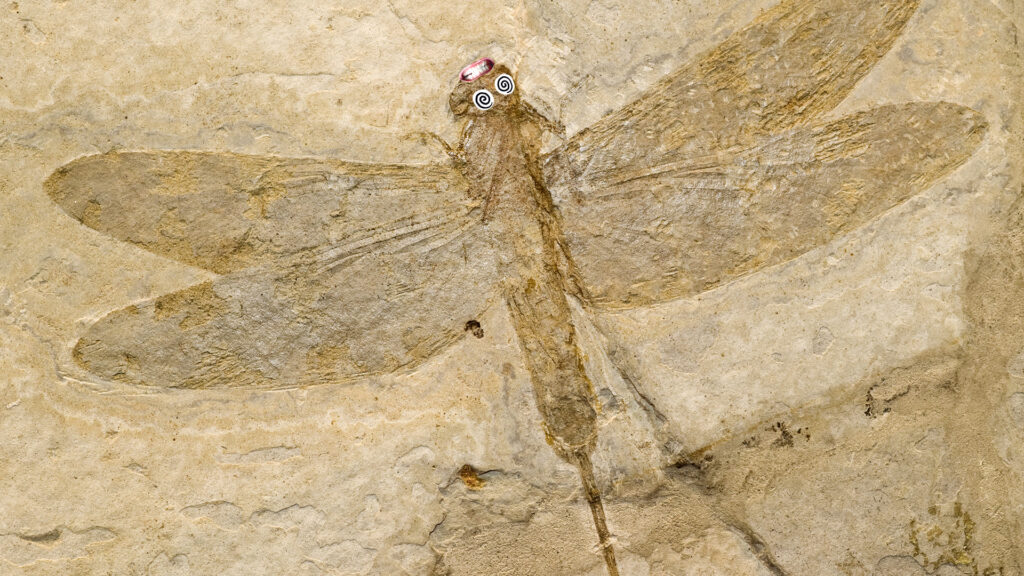
Moths have had a long time to take over the Earth. The oldest moth fossils are around 200 million years old and date from the Jurassic! It’s possible there were even older moths we just haven’t found them yet. Moths are much older than butterflies, and are one of the oldest groups of insects. Moths probably evolved alongside flowering plants – but they might have even apperaed before then, too! So moths have been around the block a few times!
3. The pollinate plants
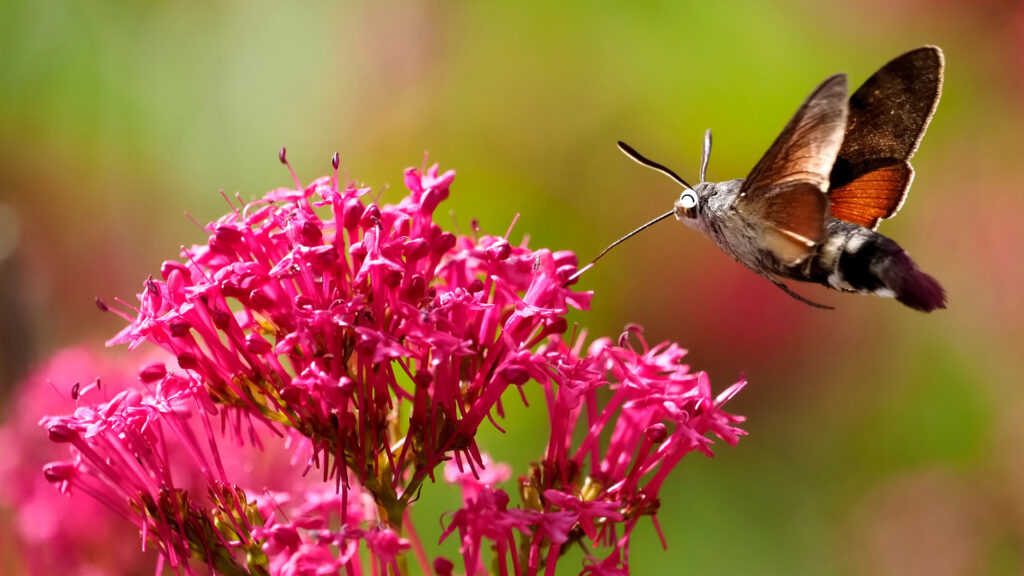
Moths have always had a close relationship with plants. Plants give moths food, and in return moths help pollinate plants. This is when insects pick up pollen from one plants and deliver to another one. This is how plants make seeds and fruit, and it’s a really important process in nature. Without pollinating insects, lots of plants would die out. Which would mean no food for humans! So we really need moths!
4. They give us silk
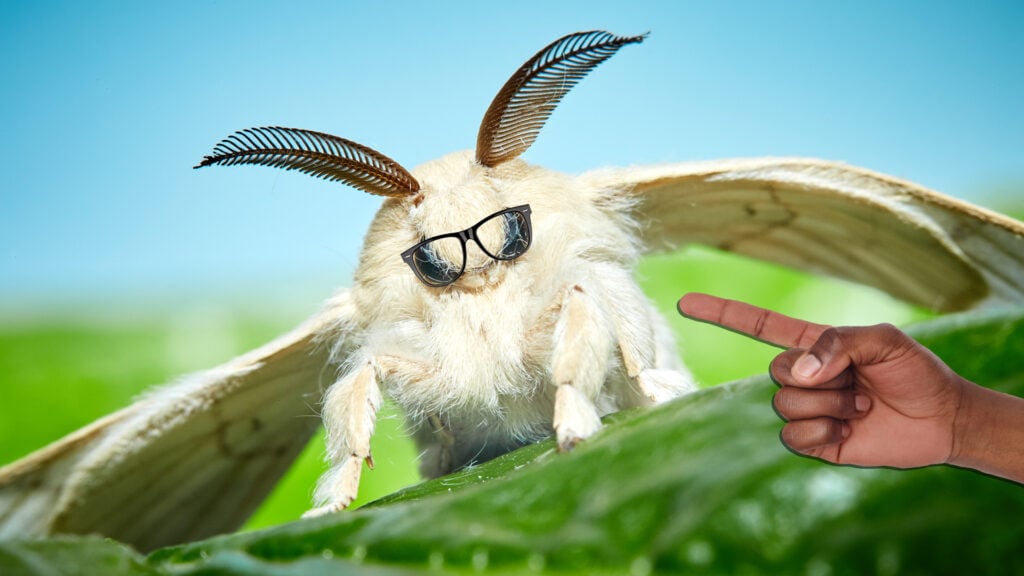
As well as helping plants produce food, moths also give us something else – silk! In an ancient process that the Chinese discovered, the larvae of silk moths are boiled and the goo is spun into silk. Silk is strong, lightweight and soft – it’s an amazing material that has been highly prized by humans for thousands of years!
5. They’re masters of disguise
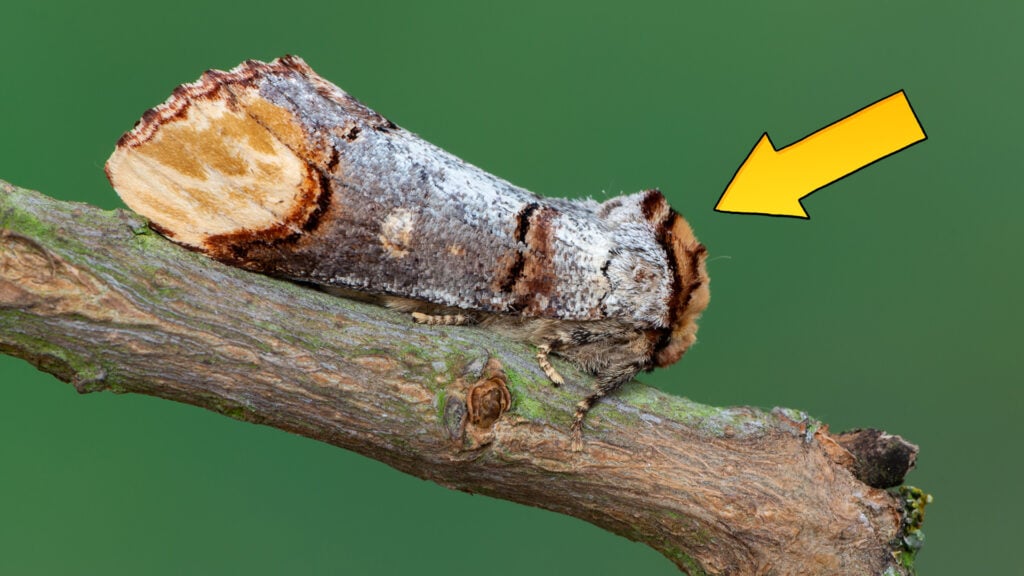
Moths are amazing when it comes to camouflage. Some are masters at blending in, like the buff-tip moth – which looks exactly like a twig! Others look like leaves, lichen, even bird poo! Other moths prefer to dress up, and have patterns on their wings that make them look like poisonous snakes or bigger animals with huge, staring eyes!
6. They’re mostly nocturnal
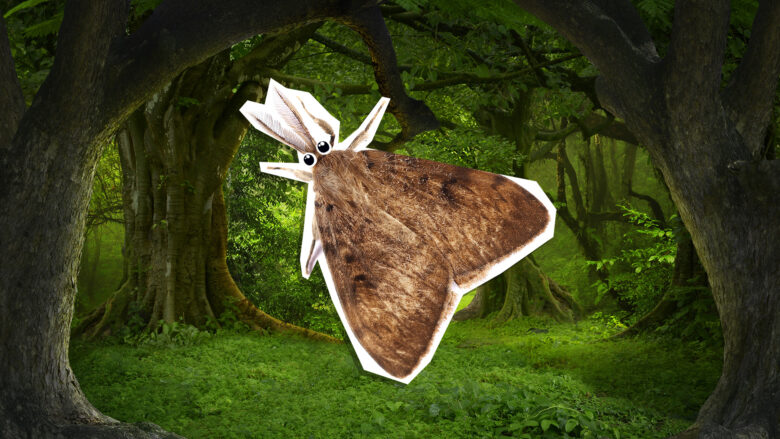
People often think moths are nocturnal (come out at night) and butterflies come out in the day. This is often true – but not always! Some moths prefer the daytime, and some butterflies fly around at night too! It is true though that many moths prefer the night-time, and navigate by the light of the moon. This is why they’re attracted to lights!
7. Bat food
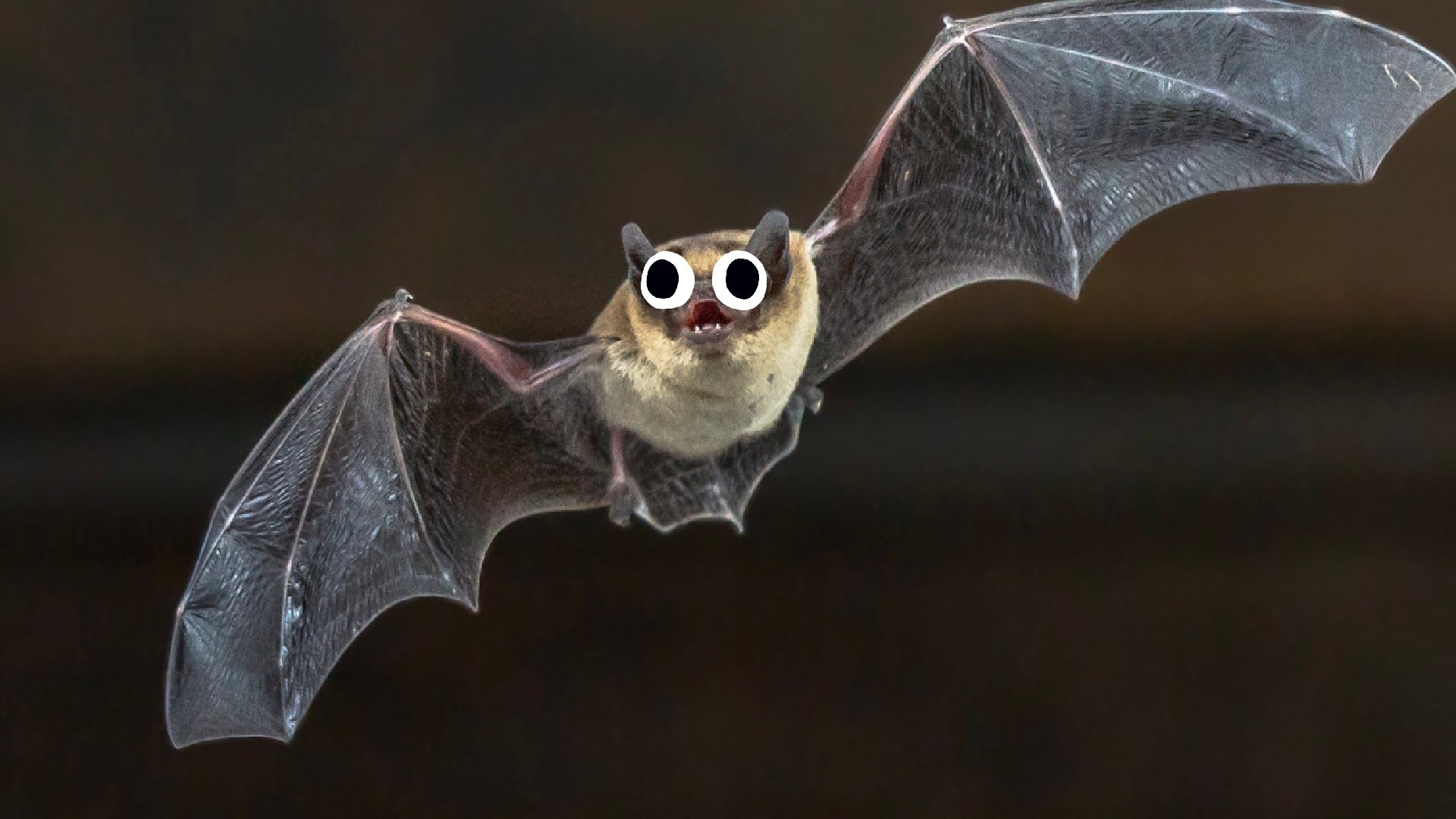
Moths are one of the favourite foods of bats – another important type of nocturnal animal. Bats are one of the biggest predators of moths, but moths have evolved some pretty sneaky tactics to avoid them! Some moths can even sense the clicks that bats use to navigate forests at night and have worked out how to give them the slip!
8. They can fly a really long way
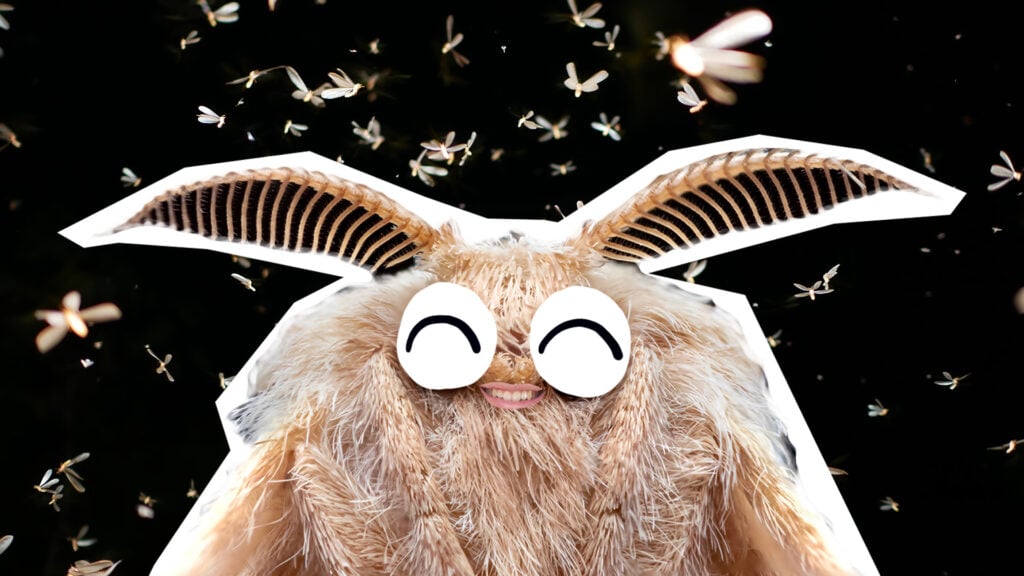
Moths migrate long distances – often thousands of miles every year! Scientists used to think moths just went wherever the wind blew them, but now we know they deliberately travel all around the world, carrying nutrients and pollen with them. Moths even know how to fly around bad weather, and travel in huge groups with billions of other moths!
9. Some don’t eat!
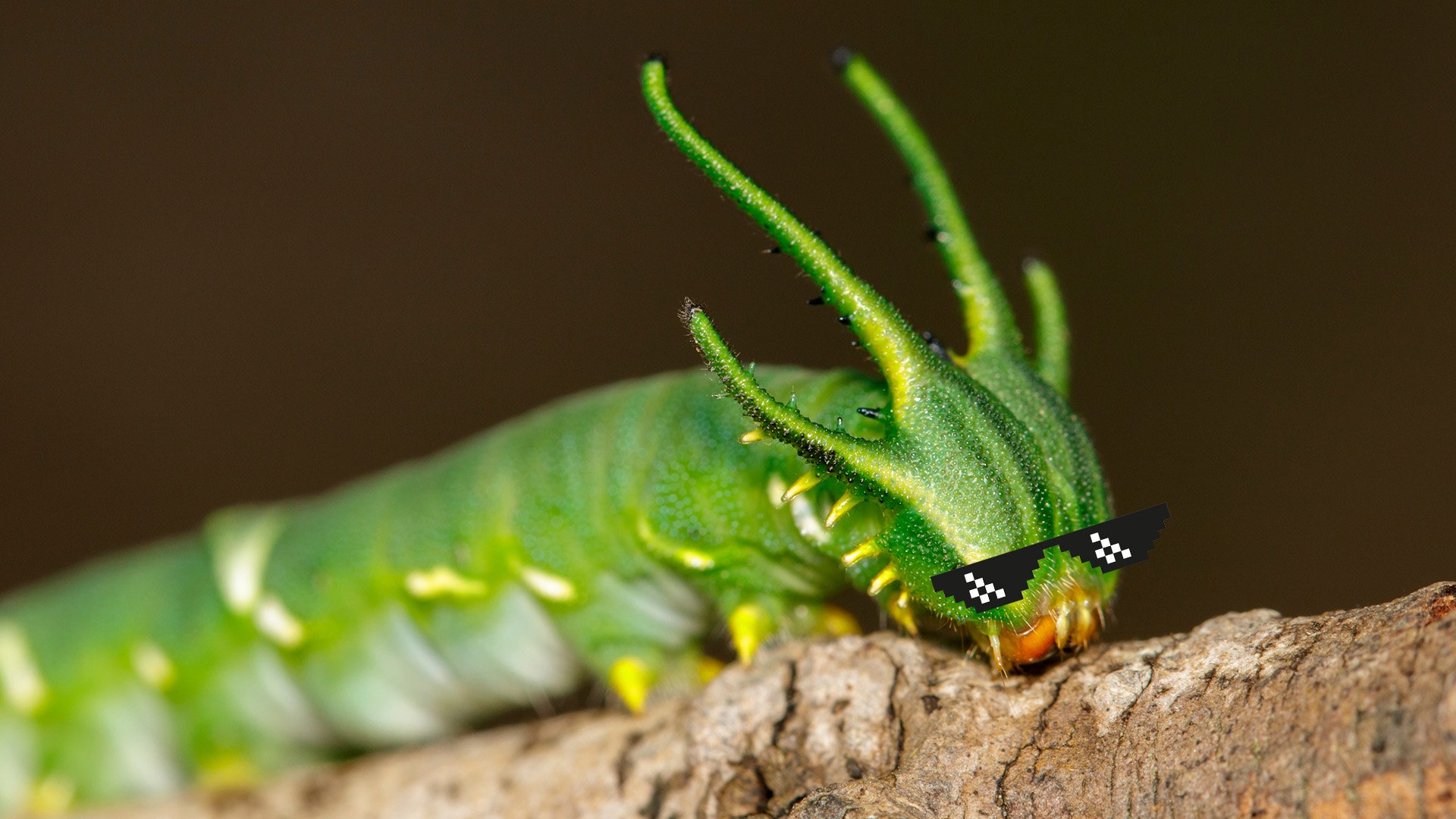
Well, all moths eat at some point. But moths (like butteflies) have different phases, and change from a caterpillar to an adult (more on this later). Most moths eat throughout throughout their lives, but some – like the Atlas moth and the Luna moth – just store up food from when they’re a caterpillar and never eat as adults! Some of these adults don’t even have mouths! Their only job as adults is to mate and make more eggs – and they don’t even get dinner!
10. Hardly any eat clothes
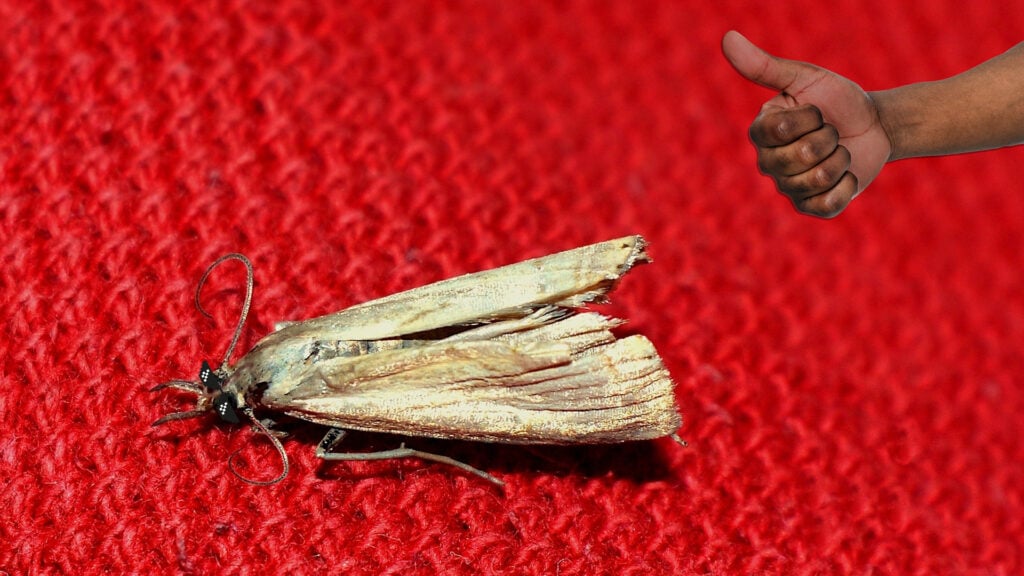
Only a few species of clothes moth eat clothes. Moths eating people’s prized hats and coats is probably one of the reasons some people don’t like them – but again, it’s not totally fair. The vast majority of moths are really not interested in your clothes. In fact, clothes moths are under threat because so many people wear synthetic clothes madeout of plastic fibres. Come back clothes moth – all is forgiven!
11. Some are poisonous!
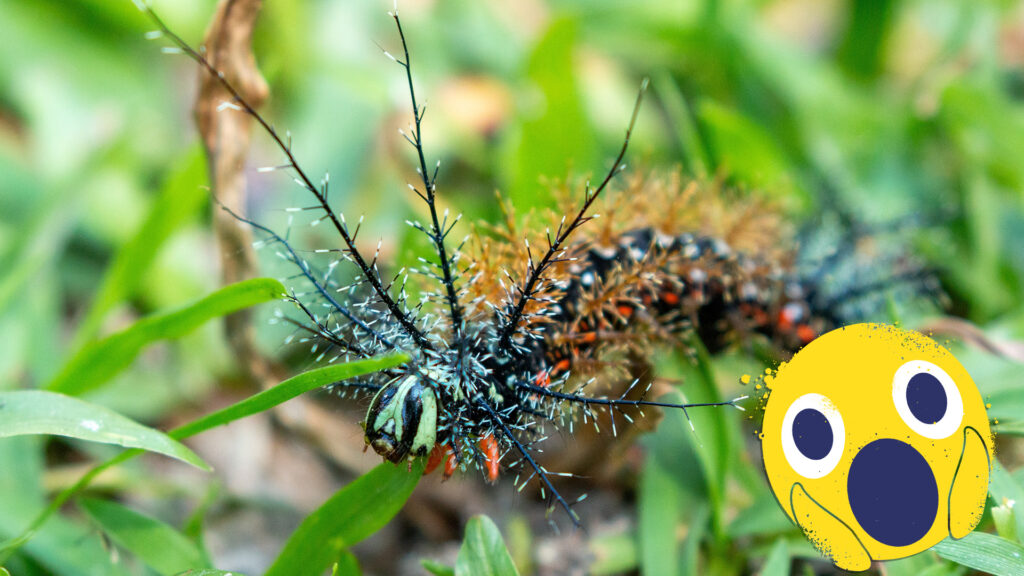
Moths have evolved some really cool features to stop other animals eating them. There’s camouflage, making themselves really dusty, and of course – poison! The classic! Lonomia moths can give you horrible rashes if you touch them, and eating the caterpillars can make you extremely ill – even kill you! If you’re not sure what they look like, just play it safe and don’t eat any caterpillars!
12. Metamorphosis
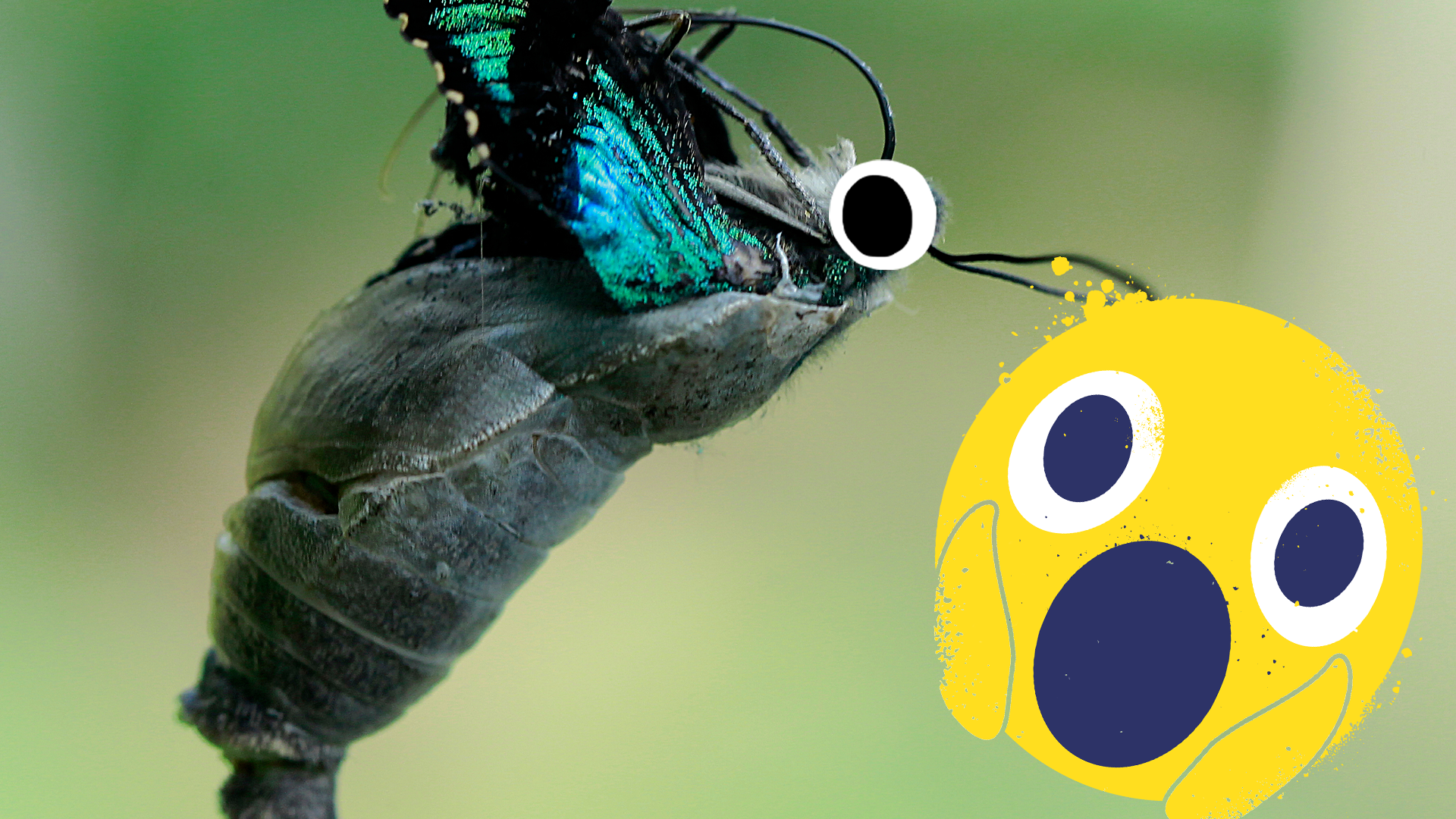
Moths lay eggs. These eggs hatch (often on the underside of leaves) and grow into squishy caterpillars, or larvae. Once they reach adulthood these larvae knit a kind of cocoon and totally reorganise their bodies! The caterpillars turn into mush, and rearrange their body parts into an adult moth. How exactly they do this is still a mystery – and it’s an amazing process!
13. The Atlas Moth
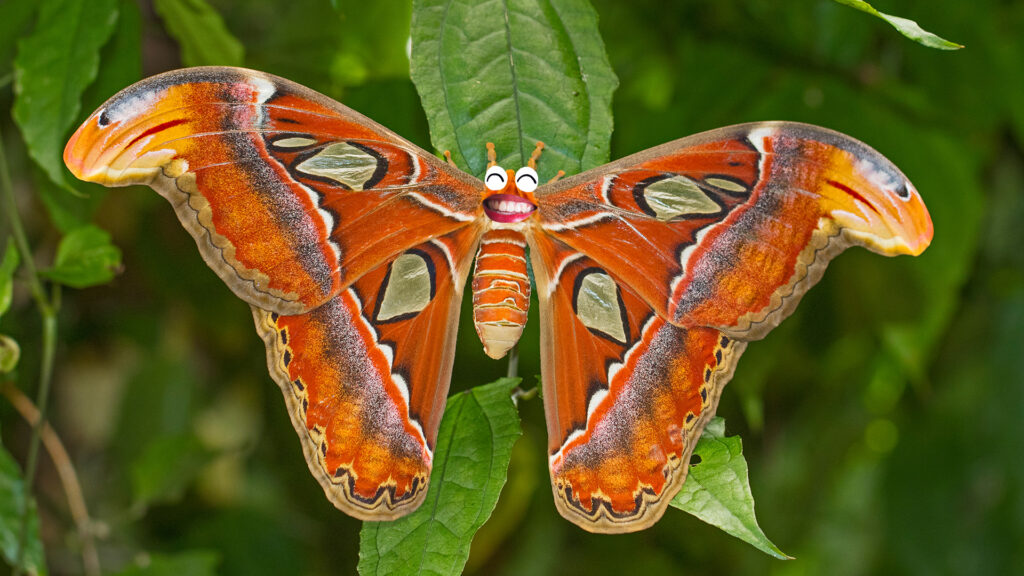
One of the world’s biggest moths is the Atlas moth – a truly gigantic insect that’s as big as a bird! They live in tropical parts of the world and as caterpillars they eat a huge amount to pack on the pounds as quick as they can. The adults produce a kind of smell that predators hate, and the tips of their wings look like cobra heads!
14. The Luna Moth
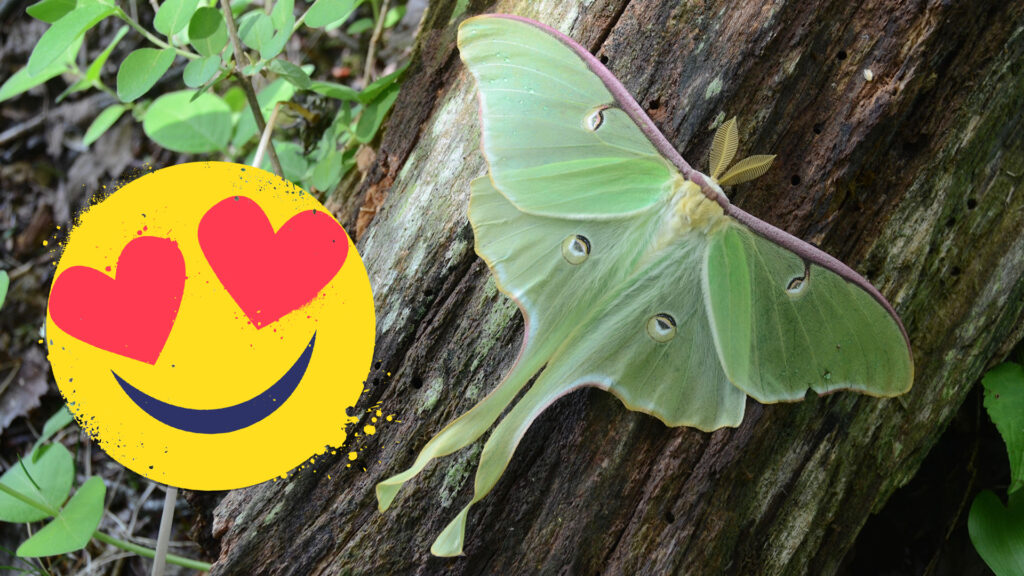
The Luna moth is said to be the most beautiful moth in the world, and whilst that’s obviously not a scientific fact we’d probably have to agree! Just look at it! The luna moth lives in North America, and has an elegant curved tail than helps them fly and makes them very difficult to eat. In many cultures “moon moths” like these are a sign of good luck!
15. Moths need to be looked after!
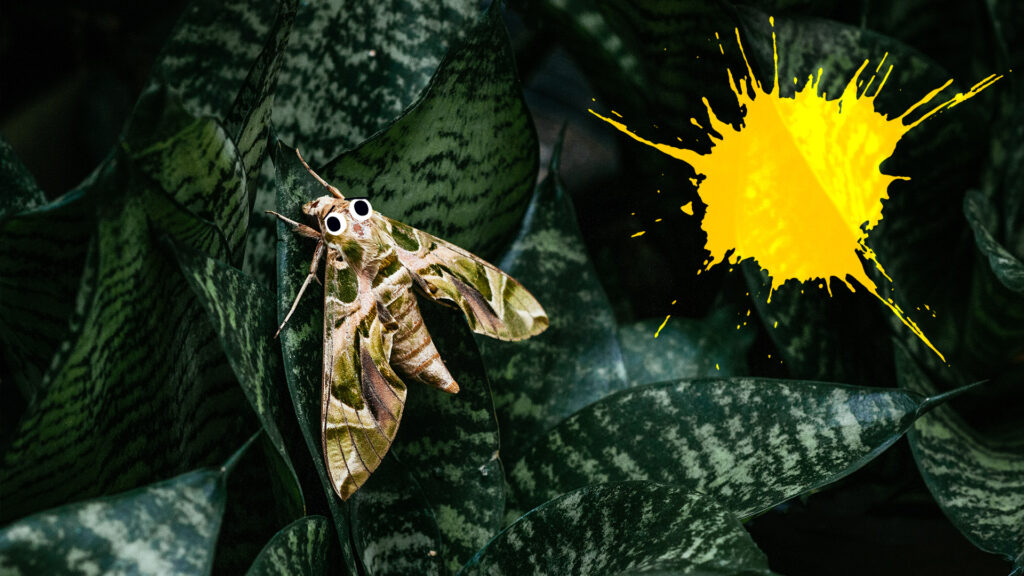
All living things, from us to moths, share the same planet. The food we need is pollinated by animals like moths, so if we want a world we can live in then we need to look after them – and all animals. Because as well as being beautiful, interesting and amazing – they’re part of what makes life on Earth possible. Insects like moths are under threat from lots of things humans are doing, and it’s time we changed our ways to keep them safe!