
Cooling Facts To Help You Beat The Heat!
Summer’s here, so now more than ever you’re going to need some cooling facts!
Summer’s here, so now more than ever you’re going to need some cooling facts! It’s important to keep cool when the mercury rises, but how much do you really know about it? Do you understand Isaac Newton’s theory of cooling? Do you know how people coped in the past, before air conditioning was invented? And just who invented air conditioning anyway? Well, worry not – these extremely cool facts about cooling will let you know EVERYTHING! You’re in for an interesting time – and if you need more facts when you’re done, we’ve got you covered! Learn all about heatwaves, water, and Isaac Newton!
1. How Does Cooling Work?
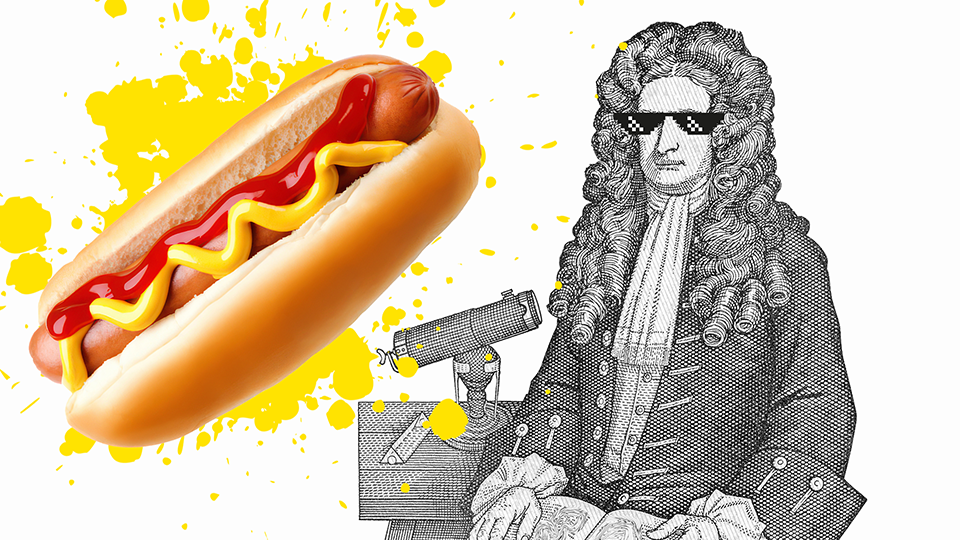
You know what cooling means, but how does it work exactly? Well, to understand it we need to look to Isaac Newton, who was an English polymath who lived from 1643 to 1721. He originated a lot of modern scientific theories (including the theory of gravity), and one of his theories is about cooling. There’s a lot of complicated science you can get into, but the theory is basically this: a hot object will lose heat more quickly when its surrounding are cooler than the object itself. The cooler the surroundings, the faster the heat goes. You can observe this every day – when your dinner arrives on your plate it starts cooling down because it’s in a cooler place than the oven, or the microwave, or the pot it was just in. So, we can cool anything down by making its environment colder. How we can do this changes a lot depending on the size of the object and some other factors like the environment!
2. We’ve been trying to keep food cold for a long time
When you think about cooling something down, one of the first things you probably think about is your fridge. Fridges are a very neat invention, and not just because they’re the best way to enjoy an ice-cold beverage on a hot day – they’re also vital to keep food preserved! Food is one of the things we need the most, but some foods don’t last very long at all when they’re not kept refrigerated – dairy, meat and open containers can all spoil quickly and grow bacteria, which makes us ill. But electric fridges and freezers weren’t an appliance that everyone had in their houses until the 20th century. So what did people do before that? Well, it depends a lot on the time period and the place, but popular techniques across several cultures include using naturally cold places to store food, like caves or rivers, or snow in wintertime; and also cooler places in the home, like cellars. Wealthier people had ice houses, which were purpose-built insulated structures usually in the grounds of manor houses where blocks of ice were kept. Iceboxes then became popular in the 19th century. These were like fridges, except they weren’t electric – they were wooden boxes with a metal lining, and people who owned them had ice regularly delivered to put inside. Electric home fridges were first invented in 1913, and they grew to become one of the most important home devices!
3. We’ve also invented cool buildings
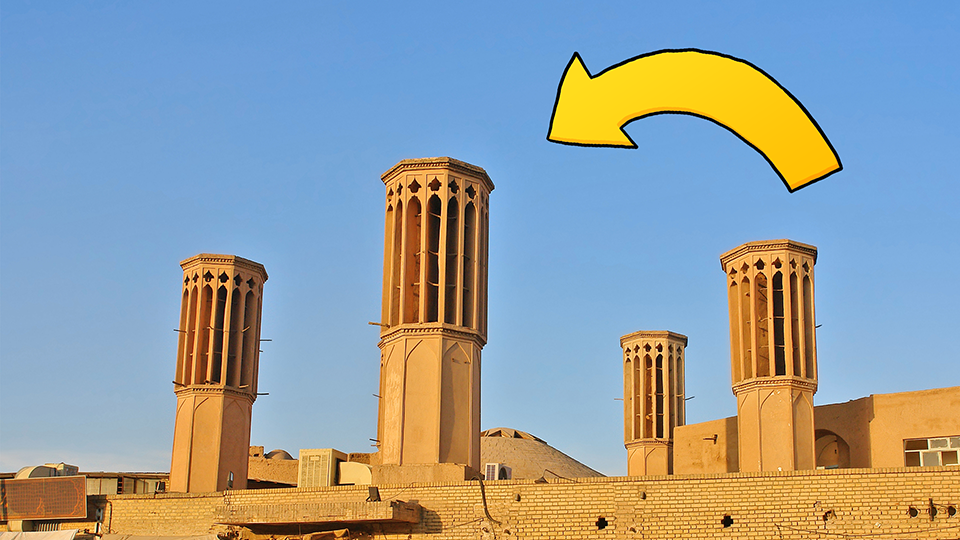
In the days before electrical air conditioning people still lived in hot climates, so what did they do? The answer lies in architecture! Civilizations have historically built their homes around temperature efficiency, staying cool in hot weather and warm in colder weather. If you look at older architecture you can see how this was done across different cultures, usually by minimising direct sunlight and maximising airflow. Traditional Moroccan architecture, for example, features thick stone walls and central courtyards, often with a water feature in the middle. Both older and modern houses in many countries feature shutters on the windows to shield from the sun – if you’ve been to France, Italy or Spain you’ve probably spotted this! Ancient houses in modern-day Syria used houses with double walls, which encourages air to pass through the gap between the two walls, keeping the home cool. Ancient Persian buildings have wind catchers, which are tall structures on top of buildings that funnelled the air inside to create a breeze.
4. The first mechanical fan was invented in 2BC
It’s safe to say that people have been using air circulation for about as long as people have existed – you can make a breeze by using your hands! Handheld fans made from leaves, bamboo and papyrus were also used across different cultures, but the first mechanical fan is attributed to a Chinese inventor named Ding Huan. He lived in 2BC during the Han dynasty, and invented a manually-operated fan. It wasn’t mobile as it had seven wheels and was about 3 metres across, so it was really the first form of air conditioner!
5. Computers need to keep cool
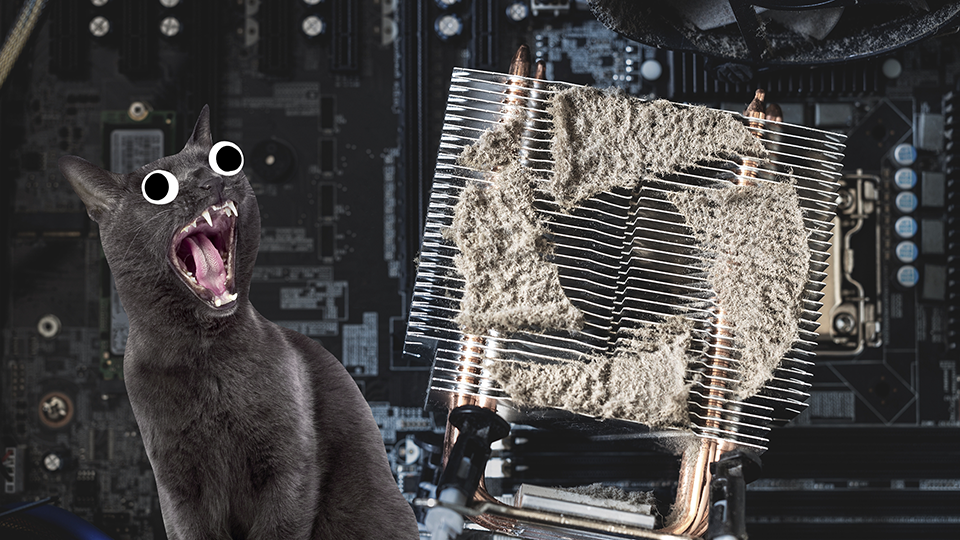
The modern computing business is totally dependent on cooling technology to function! You already know that computers can’t function if they get too damp, but they also can’t function if they get too hot, and an overheated computer can perform badly, crash and lose data (you might have experienced this first-hand)! Early computer systems were especially reliant on cooling technology as they were very large (think an entire room for one computer)! Modern personal computers come with fans for cooling, but there are also measures you can take to keep your computer cool – keeping it in a cool room and making sure your wires are tidy and your workplace is free of dust, for example!
6. Modern air conditioning was invented to protect paper and ink

And speaking of keeping machines cool… did you know that the electric air conditioner was actually a by-product of the printing industry? In 1902 American engineer Willis Carrier was hired by a New York publishing house to solve the humidity problem in their building, which was causing the ink to melt and the paper to warp. Carrier’s solution involved inventing a machine to cool the building down. It did so by moving air around coils chilled by compressed ammonia (which probably didn’t smell great). This saved the ink and paper, and it had an amazing side-effect – it made the workers more productive! Aircon therefore had a huge double-benefit across all major industries – stopping humidity from ruining their products, and maximising profit from their labour force.
7. Air conditioning means we can live in places we wouldn’t otherwise be able to!
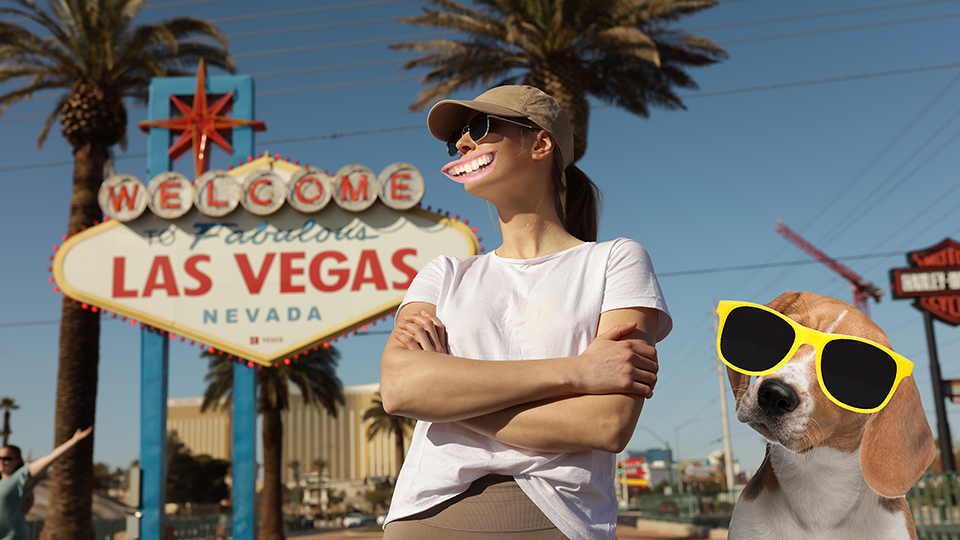
Las Vegas is one of the most popular tourist destinations in the whole world, and it’s located in the middle of the desert. Temperatures in Vegas regularly hit 41°C in July and August, which sounds like a totally unmanageable heat. But with the miracle of air conditioning, the whole city can thrive! Cities like Dubai and Singapore also benefit from the technology, which helps keep them thriving centres of tourism and business. The USA also has something called “the sun belt”, which describes southern parts of the USA where the sun is strongest – Southern California all the way to Florida! The population of this area went from 28% of the USA to 40% as air conditioning became popular!
8. Water is very important to staying cool

You already know that ice can help keep you cool, and that cold liquid + a breeze = the perfect aircon. But you can keep yourself cool using water by itself! Doctors have some tips and tricks for staying cool during a heatwave, and one is getting your clothes wet! You can take a dip or run through a sprinkler, and the moisture evaporating from your clothes as they dry will have a cooling effect on your body. It’s recommended that you do this in light clothing that dries quickly, otherwise you might risk pulling more heat into your body. You can also cool down by soaking your feet in water! Your feet are “hot zones”, so their temperature can affect the rest of your body. You could try soaking your feet in a tub, a paddling pool, or even the sea!
9. Sweating is good for you!

Sweating can get pretty uncomfortable and most of us try to avoid it, but it’s actually an important part of keeping you nice and cool! Sweating is basically our bodies’ own personal air conditioning system. Your body temperature lowers as it converts liquid into vapour and releases heat through evaporation. It does cause you to get dehydrated though, which is why it’s important to make sure you’re drinking plenty of water on a hot day!
10. You can eat to stay cool!

Drinking water is good for you, but you can also keep your fluids up with food! Fruits and vegetables are naturally high in water – tomato and lettuce are about 95% water while a cucumber is about 96%! Watermelon is about 92%, if you fancy a sweet treat on a hot day! And research suggests that a cold snack can also keep help your body temperature low, so it can be a good idea to have an ice cream on a hot day (ask your parents, though)!
11. Your clothes matter!

So, people in the olden days didn’t have aircon, but they did have cool buildings and handheld fans. But surely that didn’t matter – people in the past wore LOTS of clothes, right? Well, yes they did, but they weren’t quite as hot as you’d expect! Clothes in the pre-industrial era (before the 1800s, give or take) were made of natural materials like cotton, linen, wool and silk. These materials are a LOT better at regulating our body temperature than artificial fibres like nylon and rayon. So, even though Victorian men and women dressed in layers and kept themselves covered up, they actually coped fairly well in hot summers! Even today it’s better to wear natural fabrics, and it’s also a good idea to wear looser clothing and keep your skin covered – skin exposure to sun doesn’t actually cool you down that much, especially if you’re wearing artificial fabrics, but it definitely puts you at higher risk of sunburn! People also wore sun hats and bonnets more in the olden days to protect their faces from sunburn and their heads from heat exhaustion, and most people would stay out of the sun in the middle of the day if they could help it. These are still great ideas for beating the heat and staying safe in hot weather!
12. Summer holidays were another way to beat the heat

This is another secret from the olden days to keeping cool – in addition to your fancy cotton clothes and sunhat, you could also escape to cooler climates in the height of summer! Before air conditioning, wealthy families would escape the summer heat by heading to their retreats by the seaside or beside lakes. The air is cooler around large bodies of water, and as cities got bigger and became hotter thanks to industrial development, the escape became even more essential. Train travel became cheaper throughout the 19th and 20th century, which meant that middle class and later working class families also followed the routine. Working class families could also afford to take time off due to labour reforms negotiating holidays for workers. In the UK the seaside became a popular destination for people of all classes, with towns like Blackpool and Brighton emerging as major holiday destinations. Nowadays air travel is cheap, so many people head abroad if they can afford it – but the beach is still one of the most popular destinations!
13. Summer blockbusters and air conditioning are linked!

Widespread air conditioning has been common in public spaces for a while now, and one of the first places to get aircon was the cinema. Older air conditioning was large, bulky and expensive, so it was usually only fitted in large venues that could afford it and would benefit the most from it. Hospitals and government buildings were some of the first to get aircon, but cinemas were also an early adaptor! Early cinemas were popular but were also infamous for smelling stale (and it didn’t help that people were allowed to smoke inside back then). By cooling and ventilating them it was hoped that they might attract a more middle class audience. And it worked – in the summers, customers flocked to cinemas just as much to keep cool as to watch the film! This is one of the reasons why we have the summer blockbuster even nowadays. It’s also to do with the studios that produced the films and changing social trends – but that’s a story for another time!
14. China has the highest air conditioning demand in the world

In a world that’s becoming warmer, the demand for air conditioning is on the rise. The country that consumes the most aircon is China, which makes a lot of sense as it has a huge population and a hot, humid climate in the most densely populated areas. The USA, Japan, South Korea, India, Brazil, Mexico and Saudi Arabia are some of the other countries that love their aircon.
15. Keeping cool as you sleep is essential!

You probably already know that it’s very important to get a good night’s sleep – but did you know that the temperature of your sleeping space is a big part of that? If you sleep in a room that’s too cold you won’t get a very deep sleep, but if your room is too hot you might not be able to sleep at all! There are a lot of ways to make sure you keep cool at night. Having the right bedding is one of them – in the summer it’s best to have a thinner duvet, and it’s also a good idea to use natural fibres like cotton for your bedsheets. Other tips for a cool sleep include sleeping on the lowest level of your home (as heat rises inside), taking a cool or lukewarm shower before bed, wearing cold socks (pop them in the fridge before bed!), wearing loose-fitting sleep clothes – and of course, making sure you stay hydrated!